

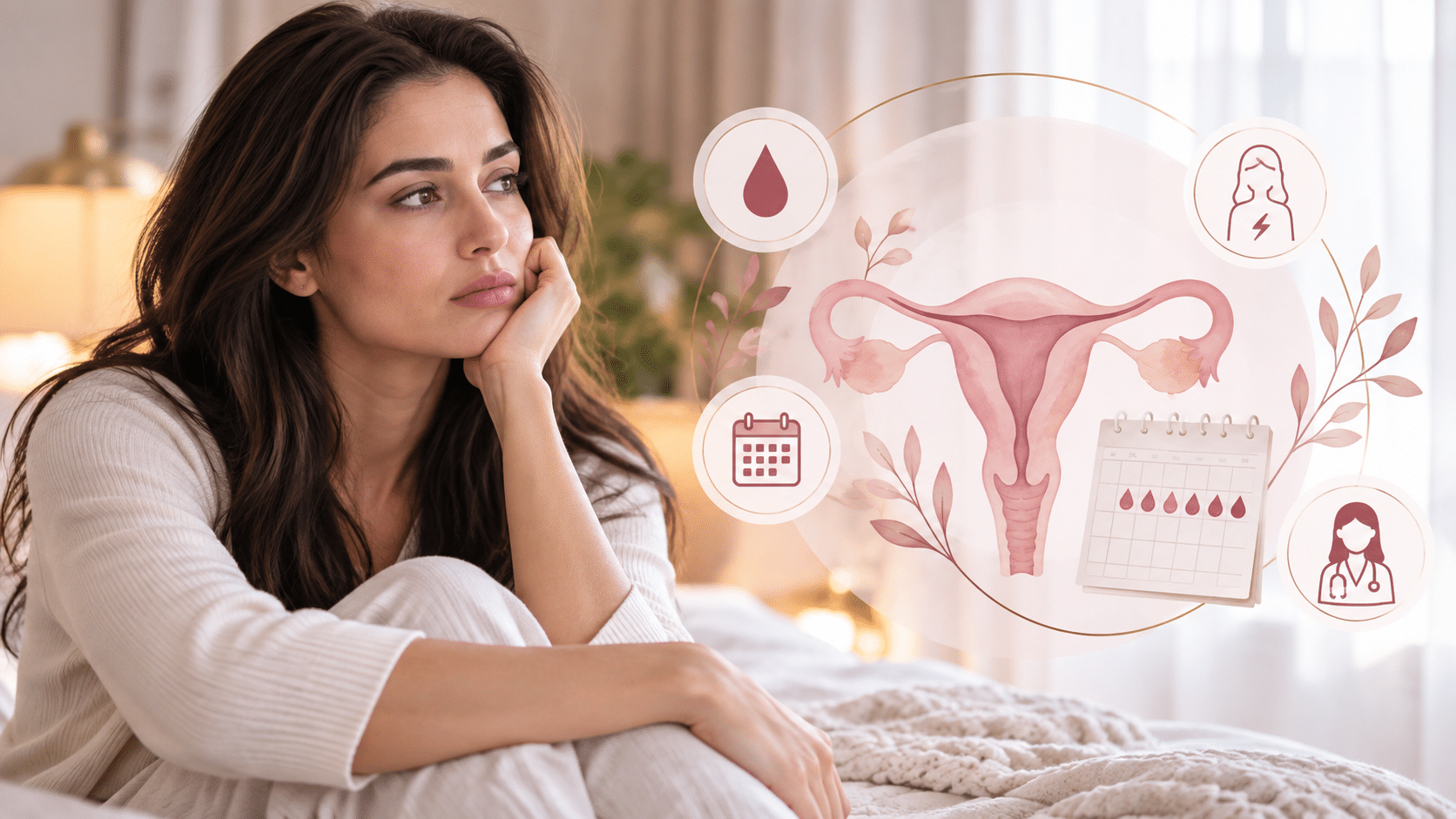
Heavy Periods: When Should You See a Gynaecologist?
Heavy menstrual bleeding can affect far more than your monthly cycle. From fatigue and disrupted sleep to planning everyday life around your period, persistent heavy bleeding deserves proper attention. Here, we explore what may cause heavy periods, when to seek specialist advice and the treatment options that may be available.
How Heavy Is Too Heavy?
Periods vary considerably from one woman to another. What feels normal for one person may be very different for someone else. The more useful question is often not simply how much you bleed, but how much your period is affecting your everyday life.
If you regularly need to change menstrual protection very frequently, experience leakage, pass large clots, wake during the night because of bleeding, or arrange your daily activities around your period, it may be worth discussing your symptoms with a gynaecologist.
At Gynaeaesthetics London, specialist heavy periods assessment and treatment is available for women experiencing troublesome menstrual bleeding.
You do not need to wait until heavy periods become unbearable before asking for help. A change in your normal bleeding pattern, persistent symptoms or periods that interfere with your quality of life are all reasonable reasons to seek medical advice.
What Can Heavy Menstrual Bleeding Look Like?
Heavy menstrual bleeding can present differently from person to person. Common signs may include:
Frequent Changes
Needing to change pads, tampons or other menstrual protection much more frequently than usual.
Longer Periods
Bleeding that regularly continues for longer than your normal menstrual pattern.
Blood Clots
Passing larger blood clots during your period alongside heavier menstrual flow.
Night-Time Disruption
Waking at night to change menstrual protection or because of leakage.
Daily Life Impact
Avoiding work, exercise, travel or social activities because of your period.
Low Energy
Persistent tiredness, weakness or dizziness may occur if significant blood loss contributes to anaemia.
Why Might Your Periods Become Heavy?
There is no single explanation for every case of heavy menstrual bleeding. Sometimes no specific cause is identified, while in other cases an underlying gynaecological or hormonal condition may be contributing to the symptoms.
Fibroids
Fibroids are non-cancerous growths that develop in or around the uterus. Depending on their size and location, they may contribute to heavy bleeding, painful periods or pelvic pressure.
Adenomyosis
Adenomyosis occurs when tissue similar to the lining of the uterus is found within the muscular wall of the uterus. It may be associated with heavier, painful periods and pelvic discomfort.
Polycystic Ovary Syndrome
Polycystic Ovary Syndrome (PCOS) can affect ovulation and menstrual regularity. Some women may experience irregular or infrequent periods followed by heavier bleeding.
Hormonal Changes & Perimenopause
Changes in hormone levels can alter menstrual patterns. During perimenopause, for example, periods may become less predictable. Women experiencing wider menopausal symptoms can learn more about the clinic's Menopause & HRT Clinic .
Other Gynaecological Conditions
Polyps and other gynaecological conditions may also contribute to abnormal bleeding. When bleeding occurs alongside persistent discomfort, specialist pelvic pain assessment may also be appropriate.
Can Heavy Periods Lead to Anaemia?
Repeated heavy menstrual blood loss may reduce the body's iron stores and can contribute to iron-deficiency anaemia.
Symptoms that may occur with anaemia include:
- Persistent tiredness
- Weakness
- Dizziness or light-headedness
- Shortness of breath
- Headaches
- Palpitations
Where appropriate, blood tests may form part of your assessment to investigate whether heavy bleeding has affected your iron levels or blood count.
What Happens During a Heavy Periods Assessment?
A specialist assessment begins with understanding your symptoms, rather than treating menstrual bleeding in isolation.
Your consultation may include a discussion about the length and pattern of your periods, associated pain, contraception, previous pregnancies, medical history and any recent changes to your cycle.
Depending on your symptoms and individual circumstances, your consultant may recommend:
- Detailed menstrual and medical history
- Pelvic examination where appropriate
- Blood tests when clinically indicated
- Ultrasound assessment
- Further specialist investigations if required
- Review of suitable treatment options
Not every woman requires every investigation. Your assessment should be tailored to your symptoms, history and clinical needs.
How Can Heavy Periods Be Treated?
Treatment is personalised. The right approach depends on what is causing the bleeding, how severe your symptoms are, your medical history and your own preferences.
Medical Management
Certain medicines may be considered to reduce menstrual blood loss or manage associated discomfort where clinically suitable.
Hormonal Options
Hormonal treatment may be appropriate for some patients to help regulate the menstrual cycle and reduce bleeding.
Treating the Cause
When an underlying condition such as fibroids is identified, treatment can focus specifically on the condition contributing to your symptoms.
Procedural or Surgical Care
Selected patients may benefit from a procedure or surgery. Your consultant can explain the potential benefits, risks and alternatives before treatment.
Find out more about heavy periods treatment at Gynaeaesthetics London .
When Should You Speak to a Gynaecologist?
You do not have to judge your symptoms against somebody else's period. A significant change from what is normal for you is important.
- Your periods have become noticeably heavier
- Bleeding interferes with everyday activities
- You regularly experience significant pelvic pain
- You frequently bleed through clothing or bedding
- You feel persistently weak, tired or dizzy
- You experience unexplained bleeding between periods
- You experience bleeding after sex
- You are worried about a change in your menstrual cycle
Exceptionally heavy bleeding accompanied by fainting, severe dizziness, significant weakness, breathing difficulty or feeling acutely unwell requires prompt medical assessment.
Explore Related Women's Health Services
Learn more about conditions and services that may be relevant to menstrual or pelvic health.
Expert Gynaecological Care with Mr Mohammad Masood
At Gynaeaesthetics London, your care is led by Mr Mohammad Masood, Consultant Obstetrician & Gynaecologist.
With extensive experience across NHS and private practice, Mr Masood provides personalised assessment and treatment for a broad range of general and cosmetic gynaecological concerns. Each consultation is focused on understanding your symptoms, explaining your options clearly and helping you make an informed decision about your care.
GMC Registration Number: 5201164
Frequently Asked Questions
Are heavy periods always a sign that something is wrong?
No. Menstrual flow naturally varies between women. However, a significant change in your usual pattern or bleeding that is affecting your daily life should be discussed with a healthcare professional.
Can fibroids cause very heavy periods?
Fibroids are one possible cause of heavy menstrual bleeding, although not everyone with fibroids experiences symptoms. Learn more about fibroids and their treatment .
Can PCOS cause heavy bleeding?
PCOS can affect ovulation and menstrual regularity. Some women experience irregular or infrequent periods followed by heavier bleeding. Read more about PCOS diagnosis and management .
Can heavy periods make me feel exhausted?
Significant or prolonged menstrual blood loss may contribute to iron-deficiency anaemia, which can cause fatigue, weakness, dizziness and shortness of breath.
Will heavy periods always require surgery?
No. Treatment depends on the underlying cause, severity of symptoms and individual circumstances. Medical, hormonal, procedural and surgical options may be considered depending on your needs.
Don't Let Heavy Periods Control Your Routine
If heavy or painful periods are affecting your everyday life, arrange a confidential consultation with Gynaeaesthetics London to discuss your symptoms and appropriate next steps.
Explore Heavy Periods Treatment Call +44 78 2597 0530