Our Working Time: 09:00 am To 06:00 pm


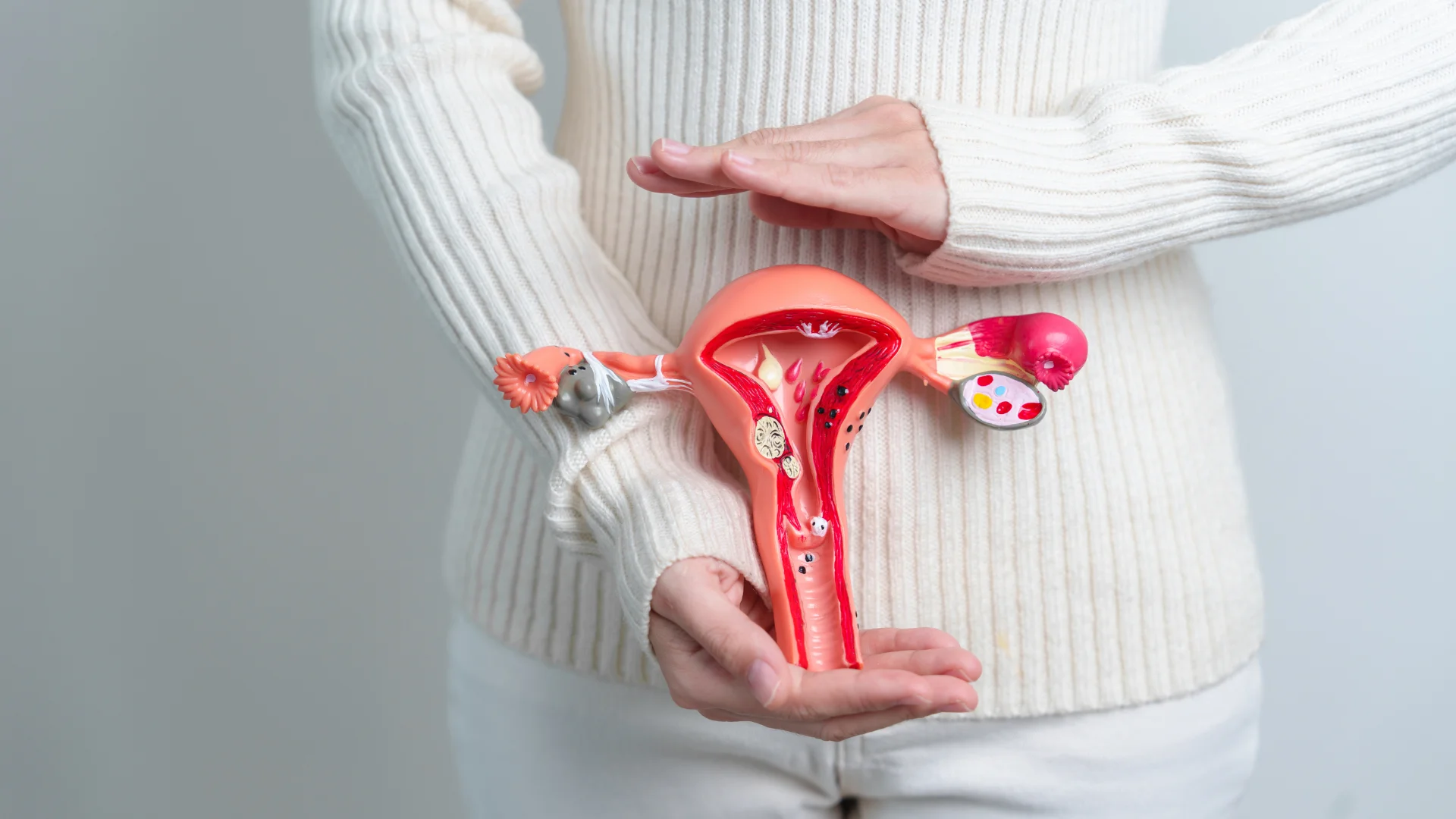
Ovarian Cyst Treatment in London
Ovarian cyst treatment depends on the type of cyst, its size, whether it’s causing symptoms, and your general health. Many cysts just need watching. Others need medicine or surgery. At Gynaeaesthetics London, Mr Mohammad Masood, a GMC-registered Consultant Obstetrician and Gynaecologist, offers private ovarian cyst diagnosis and treatment for women across London and Essex. Appointments are often available the same week.
What Is an Ovarian Cyst?
An ovarian cyst is a sac filled with fluid that grows on or inside an ovary. Most cysts cause no symptoms and are found by chance on a scan. Many go away on their own within a few months. Some grow bigger or cause discomfort and need closer checking.
Types of Ovarian Cysts
Functional Cysts
The most common type. These include follicular cysts and corpus luteum cysts, both linked to normal ovulation. They usually go away on their own within a few weeks or months and rarely need treatment.
Endometrioma (Chocolate Cyst)
This type happens because of endometriosis. It can cause strong pelvic pain and often needs treatment. It can also affect fertility if it isn’t managed.
Dermoid Cyst
A harmless growth that can contain tissue like hair, skin, or fat. These are usually found by chance on a scan and grow slowly..
Cystadenoma
This type grows from cells on the outer part of the ovary. It can grow very large and sometimes needs surgery to remove it.
Ovarian Cyst Symptoms
Many ovarian cysts cause no symptoms at all. When symptoms do happen, they can include:
- Pelvic pain, especially on one side
- Bloating or a swollen tummy
- Feeling full quickly after eating
- Irregular or painful periods
- Pain during sex
- Needing to urinate more often
- Trouble emptying the bowel
Can Ovarian Cysts Change Your Periods?
Yes, sometimes. Cysts linked to hormone changes, such as functional cysts or PCOS, can make your periods irregular, heavier, or cause you to miss one.
Ovarian Cyst Causes
Ovarian cysts can form because of:
- Normal ovulation, which causes most functional cysts
- Endometriosis, which causes chocolate cysts
- Hormone imbalances that affect how eggs develop
- Pelvic infections, which can sometimes lead to a cyst-like swelling
- Pregnancy, where a small cyst can form early on and is usually found on a routine scan
What Size of Ovarian Cyst Is Dangerous?
Most ovarian cysts are not dangerous. Most are harmless and either cause no symptoms or go away by themselves. Size is one thing doctors look at, along with how the cyst looks on ultrasound, your symptoms, and whether you’ve had menopause. Your specialist decides the right plan after looking at your scan, your symptoms, your age, and how likely the cyst is to go away on its own, not just its size.
Is a 2cm Ovarian Cyst Dangerous?
No. A cyst this small is usually just a normal functional cyst. It typically needs no treatment, only checking if it shows up on a scan.
Is a 5cm Ovarian Cyst Dangerous?
Usually not, before menopause. A simple cyst around this size is normally watched with a follow-up scan rather than treated straight away..
Is a 7cm Ovarian Cyst Dangerous?
A cyst this size may need closer follow-up. Doctors sometimes recommend extra imaging to understand it better.
Is a 10cm Ovarian Cyst Dangerous?
A cyst this large is more likely to need surgery, especially if it’s growing, causing symptoms, or shows features on the scan that need more checking
After Menopause
Doctors are more careful after menopause. Small, simple cysts of 3cm or less may need no follow-up. Any new cyst after menopause is usually checked more closely, since the chance of it being serious goes up with age.

Ovarian Cyst Rupture
An ovarian cyst rupture happens when a cyst bursts and releases fluid into the pelvis. This can cause sudden, sharp pain on one side, sometimes with nausea or light bleeding. Some ruptures settle on their own with rest and pain relief. Others need urgent medical care, especially if the pain is severe or you feel faint.
When Should You Seek Urgent Help?
Call NHS 111 or go to A&E straight away if you have:
- Sudden, severe pelvic pain
- Pain with a fever
- Vomiting
- Fainting or feeling faint
- Heavy or unusual bleeding
These can be signs of a ruptured cyst or a twisted ovary (torsion), both of which may need urgent treatment.
How Are Ovarian Cysts Diagnosed?
Diagnosis starts with a private consultation with Mr Masood. Tests are chosen based on your situation and may include:
- Transvaginal ultrasound: the main test, checking the cyst’s size, location, and shape
- Blood tests: used depending on your age and ultrasound findings, with CA-125 only used when cancer risk needs further checking, since it isn’t reliable alone
- MRI scan: used if more detail is needed
What Happens During Your First Appointment?
- Consultation: Mr Masood talks through your symptoms and general health
- Medical history review: including your periods, past scans, and family history
- Ultrasound assessment: to check the cyst’s size, look, and location
- Treatment discussion: Mr Masood explains your options and answers your questions before you decide anything
Ovarian Cyst Treatment
Pain Relief and Monitoring
For mild discomfort, simple over-the-counter pain relief is often enough while the cyst is watched. If pain is stronger, Mr Masood will talk through the right options with you, based on your health and any other medicines you take
Watchful Waiting
For small, simple cysts with no symptoms, doctors often just repeat the ultrasound over time, usually every few months, to check if the cyst has grown, stayed the same, or gone. Many cysts go away on their own within a few menstrual cycles.
Hormonal Treatment
The contraceptive pill won’t shrink a cyst you already have. It may lower the chance of new functional cysts forming
Ovarian Cyst Surgery in London
Laparoscopic Cystectomy (Keyhole Surgery)
For cysts that are large, causing symptoms, or complex, surgery may be needed to remove them. Keyhole surgery usually means smaller cuts, less pain, and a faster recovery than open surgery. Healthy ovarian tissue is kept where possible, which matters especially for women who want children later. Mr Masood performs this surgery himself, with consultant-led care throughout.
Recovery After Ovarian Cyst Surgery
Recovery time depends on the type of surgery and your own circumstances. Keyhole surgery usually allows a faster return to normal activities than open surgery. Mr Masood will explain what to expect and arrange follow-up care to check your recovery.
Oophorectomy
Removing the ovary is only needed in some cases, depending on the cyst’s size, look, and other factors. This is always discussed with you fully before any decision is made.
Does an Ovarian Cyst Affect Fertility?
This depends on the type of cyst, whether there’s a condition like endometriosis, whether surgery is needed, and your age. Simple cysts usually don’t affect fertility. Chocolate cysts, and sometimes surgery itself, can affect it in some cases, so it’s worth checking with a specialist if you’re planning a pregnancy.
How Much Does Ovarian Cyst Treatment Cost in London?
Consultations start from £200. The total cost depends on whether you need scans, follow-up appointments, or surgery. This is explained clearly before anything is booked, so you know what to expect..
Why Choose Gynaeaesthetics London?
- Consultant-led care by a GMC-registered specialist
- No GP referral needed
- Same-week appointments often available
- Clinics across London and Essex, including Hornchurch, Brentwood, and Ilford
- Fully confidential care
- Consultations from £200
Frequently Asked Questions
Can a small ovarian cyst go away on its own?
Yes. Cysts around 4 to 5cm are often functional cysts and commonly go away on their own within a few months, especially before menopause.
Can ovarian cysts cause weight gain?
Not usually on their own, though bloating can make your tummy feel or look fuller. Weight gain is more often linked to conditions like PCOS.
Can ovarian cysts affect periods?
Yes, some cysts linked to hormone changes can make periods irregular, heavier, or cause you to miss one.
Can ovarian cysts cause infertility?
Simple cysts usually don’t. Chocolate cysts, and some larger or complex cysts, can affect fertility in certain cases, so it’s worth an individual check.
When should I worry about an ovarian cyst?
Get checked if a cyst is large, growing, causing ongoing pain, or found after menopause. Get urgent help if you have sudden, severe pain.