

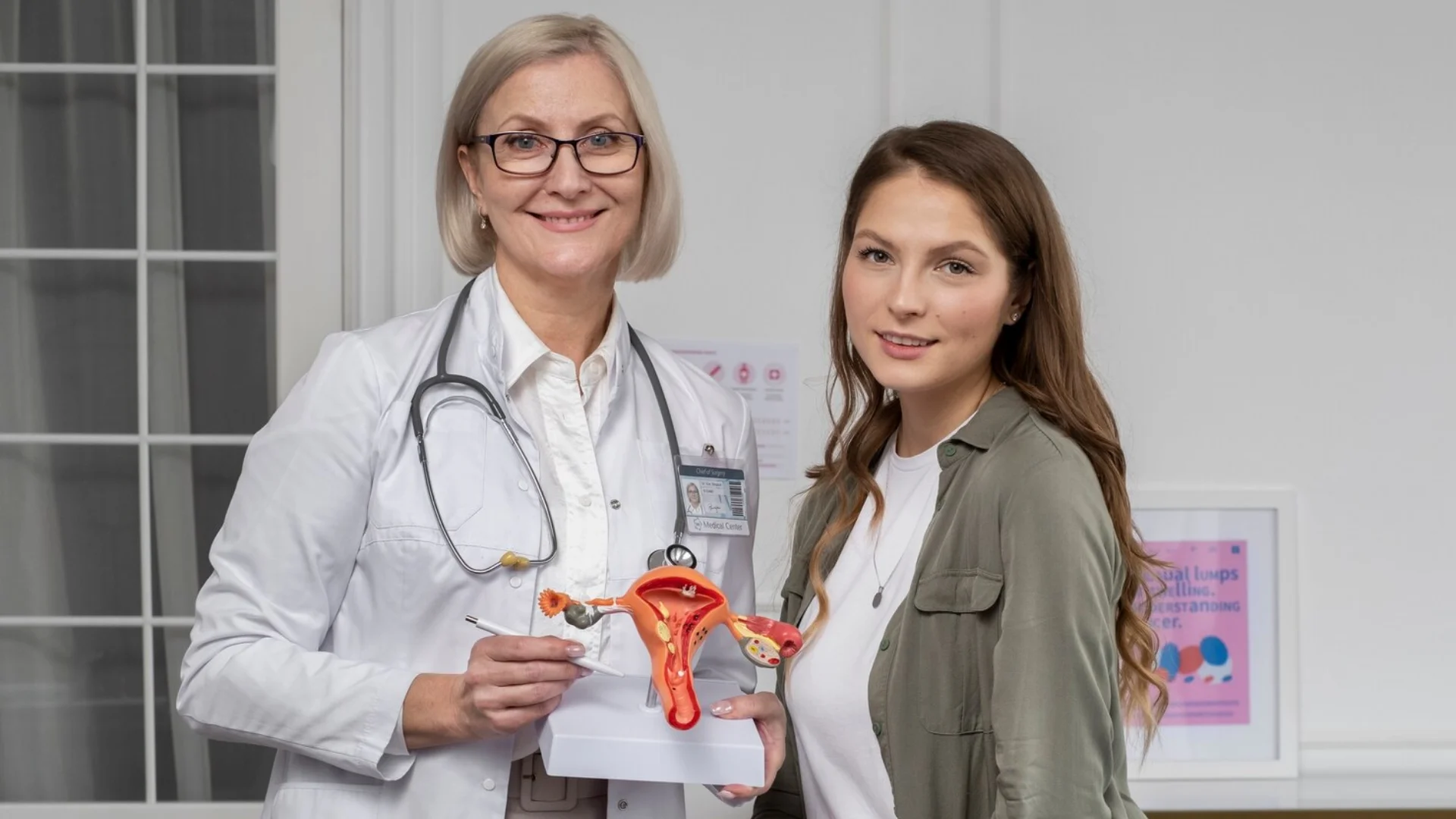
Fast Private Diagnosis & Personalised Treatment for PCOS
PCOS at a glance
- Surgeon: Mr Mohammad Masood, Consultant Obstetrician & Gynaecologist (GMC 5201164)
- What it is: Polycystic ovary syndrome (PCOS) is one of the most common hormonal conditions affecting women. The ovaries produce higher than normal levels of androgens, which can interfere with the development and release of eggs.
- Consultation: First consultation £200; follow-up consultation £160.
- Clinics: The Cadogan Clinic London; Spire Hartswood; The Nuffield Brentwood.
- Contact: +44 78 2597 0530 or fscott@masgynaecology.com.
- Opening hours: 9.AM TO 17.00PM Monday to Friday.
- Referral: No GP referral needed.
What Is PCOS?
PCOS occurs when the ovaries produce higher than normal levels of androgens, often referred to as male hormones, which interfere with the normal development and release of eggs during the menstrual cycle. This hormonal imbalance is responsible for the wide range of symptoms associated with the condition.
PCOS treatment is personal to you. It focuses on the symptoms that affect you most — whether that is irregular periods, skin and hair changes, weight, or difficulty conceiving — and your plan can change as your needs and goals change.
What Are the Symptoms of PCOS?
What Causes PCOS?
The exact cause of PCOS is not fully understood, but several factors are known to play a role:
Insulin Resistance
Many women with PCOS have insulin resistance, meaning the body does not respond to insulin effectively. This causes the body to produce more insulin, which in turn stimulates the ovaries to produce excess androgens, worsening hormonal imbalance and contributing to weight gain.
Hormonal Imbalance
Elevated levels of androgens such as testosterone disrupt the normal hormonal cycle, preventing eggs from developing and being released properly. This leads to irregular or absent periods and can significantly affect fertility.
Genetics
PCOS tends to run in families, suggesting a strong genetic component. If your mother or sister has PCOS, you may be at a higher risk of developing the condition yourself.
Chronic Inflammation
Some research suggests that low-grade chronic inflammation may stimulate the ovaries to produce excess androgens, further contributing to the development and progression of PCOS.
PCOS symptoms can overlap with other conditions. If pelvic pain is also part of the picture, our pelvic pain service can help alongside your PCOS treatment.
How Is PCOS Diagnosed?
There is no single definitive test for PCOS. Diagnosis is typically made using the Rotterdam Criteria, which requires at least two of the following three features to be present:
- Irregular or absent periods
- Evidence of elevated androgen levels (either through symptoms or blood tests)
- Polycystic ovaries visible on ultrasound scan
At Gyneaesthetics London, your consultation with Mr Mohammad Masood will include a comprehensive review of your symptoms and medical history, alongside the following investigations where appropriate:
- Blood tests to measure hormone levels including LH, FSH, testosterone, prolactin, and insulin
- Pelvic ultrasound to assess the appearance of the ovaries and thickness of the uterine lining
- Additional blood tests to rule out other conditions such as thyroid disorders or adrenal conditions that can mimic PCOS symptoms
Many women find that receiving a clear, confirmed diagnosis, after months or years of uncertainty, is itself a significant and empowering first step.
What to Expect at Your First Consultation
Your first consultation costs £200, and follow-up appointments cost £160. You will talk through your symptoms and medical history with Mr Mohammad Masood, have the tests you need arranged, and leave with a clear plan for your PCOS treatment. See our pricing page for full details, or book an appointment at one of our clinics in Brentwood, East London, Ilford and Woodford, or Romford and Hornchurch.
PCOS presents differently in every woman. Some experience only mild symptoms, while others find the condition has a profound impact on their daily life, relationships, and mental wellbeing. Common symptoms include:
- Irregular, infrequent, or absent periods
- Difficulty conceiving or unexplained fertility problems
- Excess hair growth on the face, chest, or back (known as hirsutism)
- Thinning hair or hair loss on the scalp
- Oily skin or persistent acne
- Weight gain, particularly around the abdomen
- Difficulty losing weight despite diet and exercise
- Low mood, anxiety, or mood swings
- Fatigue and difficulty concentrating
It is also worth noting that some women with PCOS have no obvious symptoms at all and are only diagnosed when they have difficulty conceiving or during a routine ultrasound scan.
If fertility is your main concern, read our guide to PCOS and fertility.
Treatment Options
While there is currently no cure for PCOS, the condition is highly manageable with the right personalised PCOS treatment plan. At Gyneaesthetics London, treatment is always tailored to your specific symptoms, circumstances, and goals, whether that is regulating your periods, managing weight, reducing excess hair, or improving your fertility.
Lifestyle Modifications
For many women with PCOS, particularly those with insulin resistance, targeted lifestyle changes can make a significant difference. Even a modest reduction in weight of 5 to 10 percent can help regulate periods, improve hormone levels, and boost fertility. A balanced diet low in refined carbohydrates combined with regular physical activity forms the foundation of long-term PCOS management.
The Combined Contraceptive Pill
The combined oral contraceptive pill is commonly prescribed to regulate periods, reduce androgen levels, and improve symptoms such as acne and excess hair growth. It is an effective option for women who are not currently trying to conceive.
Metformin
Metformin is a medication that improves the body’s sensitivity to insulin and is widely used in PCOS treatment. It can help regulate periods, support weight management, and improve fertility in women with insulin resistance.
Treatments for Excess Hair & Acne
Medications that reduce the effects of androgens, such as spironolactone, can help address excess hair growth and persistent acne. These may be used alongside topical treatments and other skincare approaches tailored to your needs.
Ovulation Induction for Fertility
For women with PCOS who are trying to conceive, ovulation induction using medications to stimulate the release of an egg is often the first line of treatment. Mr Masood will assess your individual fertility picture and recommend the most appropriate next steps.
Long-Term Health Monitoring
Women with PCOS have a higher risk of developing certain long-term health conditions including type 2 diabetes, high blood pressure, and endometrial cancer. Regular monitoring and a proactive management approach can significantly reduce these risks and protect your long-term health.
PCOS and Fertility
PCOS is one of the most common causes of fertility difficulties, because irregular ovulation can make it harder to conceive. The good news is that many women with PCOS do conceive, naturally or with treatment, once ovulation is restored and their overall health is supported. Your plan may combine lifestyle changes, weight management, and ovulation induction, and it will be shaped around your own fertility goals and timeline. Read our guide to PCOS and fertility for more detail, or book an appointment to talk through your options with Mr Mohammad Masood.
PCOS can also overlap with other gynaecological conditions, such as endometriosis. If your symptoms point to more than one condition, your plan will take your full history into account.
The Emotional Impact of PCOS
It is important to acknowledge that PCOS is not just a physical condition. Symptoms such as weight gain, excess hair, acne, irregular periods, and fertility difficulties can have a profound impact on a woman’s mental health, self-esteem, body image, and relationships.
Many women with PCOS experience anxiety, low mood, and feelings of frustration or isolation, particularly when they feel their symptoms have not been taken seriously. At Gyneaesthetics London, we take every aspect of your wellbeing seriously, and we are here to support you both physically and emotionally throughout your PCOS treatment journey.
For information and peer support, see Verity, the UK charity for polycystic ovary syndrome (PCOS). Your care here is part of our women’s health services, so help for related concerns sits in the same place.
Why Choose Gyneaesthetics London?
- Consultant-led care by Mr Mohammad Masood
- Comprehensive PCOS diagnosis including bloods and ultrasound
- Personalised PCOS treatment plans tailored to your symptoms and goals
- No GP referral needed
- Same-week appointments available
- Clinics in Hornchurch, Brentwood, and Ilford
- Fully confidential from start to finish
- Consultations from £200
Want more detail? Read our guide to PCOS in women — symptoms, causes, diagnosis and treatment.
Frequently Asked Questions
There is currently no cure for PCOS, but with the right treatment plan the condition is highly manageable. Many women with PCOS go on to live healthy, fulfilling lives and conceive naturally or with minimal assistance.
PCOS is one of the most common causes of fertility difficulties in women, primarily because it can prevent regular ovulation. However, with appropriate treatment, many women with PCOS are able to conceive successfully.
PCOS is a lifelong condition, but symptoms can change significantly over time, particularly after pregnancy or around menopause. Many women find their symptoms improve with age and the right management plan.
Women with PCOS, particularly those with insulin resistance, have a higher risk of developing type 2 diabetes. Regular monitoring of blood sugar levels and a healthy lifestyle are important parts of long-term PCOS management.
Our Services
Book Your Consultation Today
What Our Patients Say
Gyneaesthetics London is rated 5.0 out of 5 on Google, based on 13 reviews.
To book a PCOS consultation, call +44 78 2597 0530 or email fscott@masgynaecology.com. You can also book online through our Appointment page.
Medically reviewed by Mr Mohammad Masood. Last reviewed: 13 November 2026.