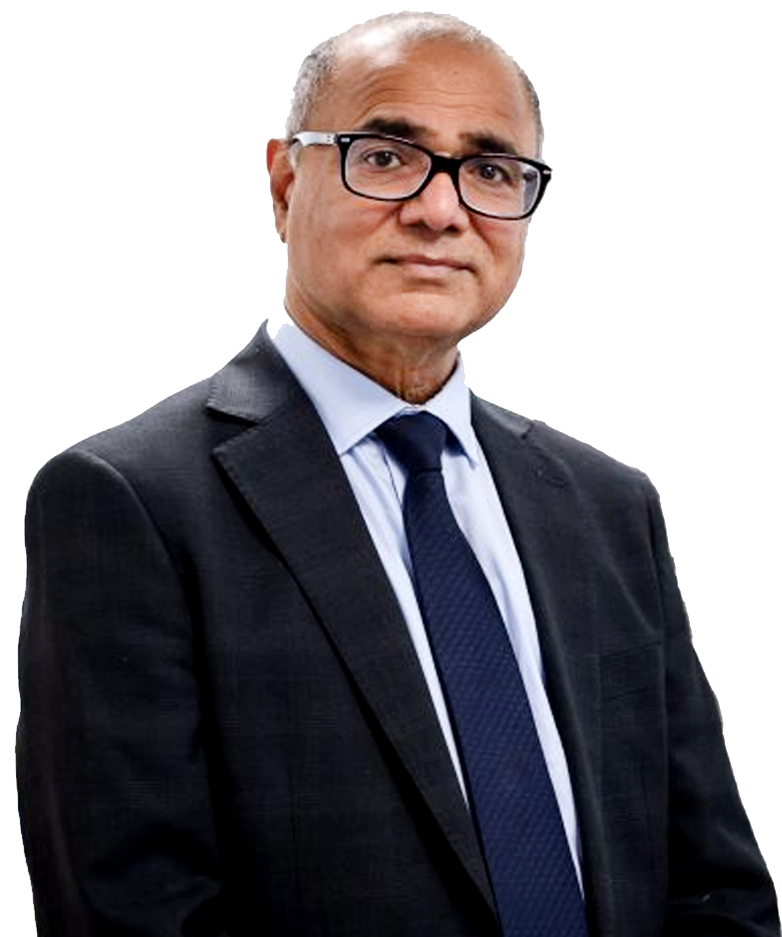

By Mr Mohammad Masood, Consultant Gynaecologist · 16 November 2026
PCOS and Fertility: Can You Get Pregnant with PCOS?
PCOS and fertility are closely linked, because polycystic ovary syndrome can affect ovulation, and ovulation is needed for natural conception. If you have PCOS and you are thinking about pregnancy, you may ask whether you can get pregnant, what may help, and when to seek specialist advice. Many women with PCOS can conceive.
What is PCOS?
PCOS is a common hormonal condition that affects about 1 in 10 women in the UK. It affects the ovaries and the balance of hormones, including higher levels of androgens, the hormones often called male hormones. In PCOS, the ovaries may develop many small fluid filled sacs called follicles. Each follicle contains an immature egg, and in PCOS those eggs may not develop and release as they should.
PCOS can cause irregular or absent periods, excess facial or body hair, acne, oily skin, weight gain, thinning hair, and difficulty conceiving. Not every woman with PCOS has every symptom. PCOS is a long term condition. There is no cure, but it can be managed.
For a fuller picture of the condition, read our guide to PCOS in Women: Symptoms, Causes, Diagnosis and Treatment, and learn more about PCOS treatment in London and Essex.
How does PCOS affect ovulation and fertility?
PCOS is one of the most common causes of fertility difficulties, mainly because it can prevent regular ovulation. Ovulation is the release of an egg from the ovary. For natural conception, an egg needs to be released, travel through the fallopian tube, and meet sperm. If ovulation does not happen, or happens only sometimes, the chance of conception in any given month is lower, and timing is harder to predict.
When ovulation is irregular, periods are often irregular too, so it can be hard to know when ovulation is likely. Some women with PCOS ovulate occasionally, and some do not ovulate regularly at all. Insulin resistance can also play a part, along with hormonal imbalance, family history, and chronic inflammation.
Can you get pregnant naturally with PCOS?
Yes. Many women with PCOS conceive naturally, and others conceive with minimal assistance. Whether natural conception is likely for you depends on whether you are ovulating, how regular your cycles are, and your overall health. If your periods are irregular, tracking ovulation can be difficult, and that can make it harder to time intercourse. That does not mean pregnancy is not possible. It means it may take longer, and support may help.
If you have PCOS, keep a record of your periods, including when they start and how long your cycles last. That record helps a clinician understand your pattern and plan the right tests.
What can improve fertility with PCOS?
Lifestyle changes, metformin, and ovulation induction are the approaches used in PCOS care to support fertility. No single approach suits everyone. You can also explore the clinic's Women's Health Services.
Lifestyle changes
A healthy lifestyle is often the first step. A modest weight reduction of 5 to 10% can improve insulin sensitivity, help periods become more regular, and improve the chances of ovulation and conception. A balanced diet that is low in refined carbohydrates, regular physical activity, and attention to sleep and stress can support those changes.
Metformin
Metformin is a medicine that can improve insulin sensitivity. In women with PCOS who have insulin resistance, it can help to regulate periods, support weight management, and improve fertility. It is not the right choice for everyone, and it is used only when a clinician advises it after assessment.
Ovulation induction
Ovulation induction uses medicines to stimulate the release of an egg. It is often a first line treatment for women with PCOS who are not ovulating, and it can help to restore ovulation so that natural conception becomes more likely. Treatment is monitored, and the plan is adjusted according to how you respond.
Treatments that regulate periods when you are not trying to conceive, such as the combined contraceptive pill, are not fertility treatments. The pill prevents pregnancy, so it is not used when you are trying to conceive. If you have been using the pill to manage PCOS symptoms, tell your clinician, so your plan can change when you start trying.
When should you seek help?
Seek specialist advice if your periods are irregular or absent, if you have symptoms of PCOS such as excess hair growth, acne, or weight gain, or if you have been trying to conceive and you are concerned. You do not need to wait for a diagnosis of PCOS to ask for help, and you do not need a GP referral to book a private consultation.
It is also important to think about longer term health. PCOS is linked with a higher risk of type 2 diabetes, high blood pressure, and endometrial cancer, so long term monitoring and follow up are part of PCOS care.
What happens at a private consultation?
At a private consultation, Mr Mohammad Masood, Consultant Obstetrician and Gynaecologist (GMC 5201164), will take a detailed history, including your menstrual pattern, symptoms, and medical history. Assessment may include blood tests to check hormone levels, including luteinising hormone (LH), follicle stimulating hormone (FSH), testosterone, prolactin, and insulin, and a pelvic ultrasound to look at the ovaries. Other tests may rule out thyroid or adrenal problems.
Diagnosis of PCOS is often based on the Rotterdam criteria, where two of three features are present: irregular or absent periods, elevated androgen levels, and polycystic ovaries on ultrasound. Your clinician will explain what your results mean, discuss the options that fit your plans, and agree a personalised treatment plan with you.
Consultations are available in Hornchurch, Brentwood, and Ilford, with same week appointments. No GP referral is needed. A first consultation is £200, and a follow-up consultation is £160. You can see the full list of fees on the pricing page.
Concerned about PCOS and fertility?
With a clear diagnosis, a personalised plan, and support for ovulation, many women with PCOS can conceive. To book an appointment, or to talk to the clinic, call +44 78 2597 0530 or email fscott@masgynaecology.com.
Book an Appointment Call +44 78 2597 0530