

Chronic Pelvic Pain: Common Causes, Diagnosis & Treatment Options
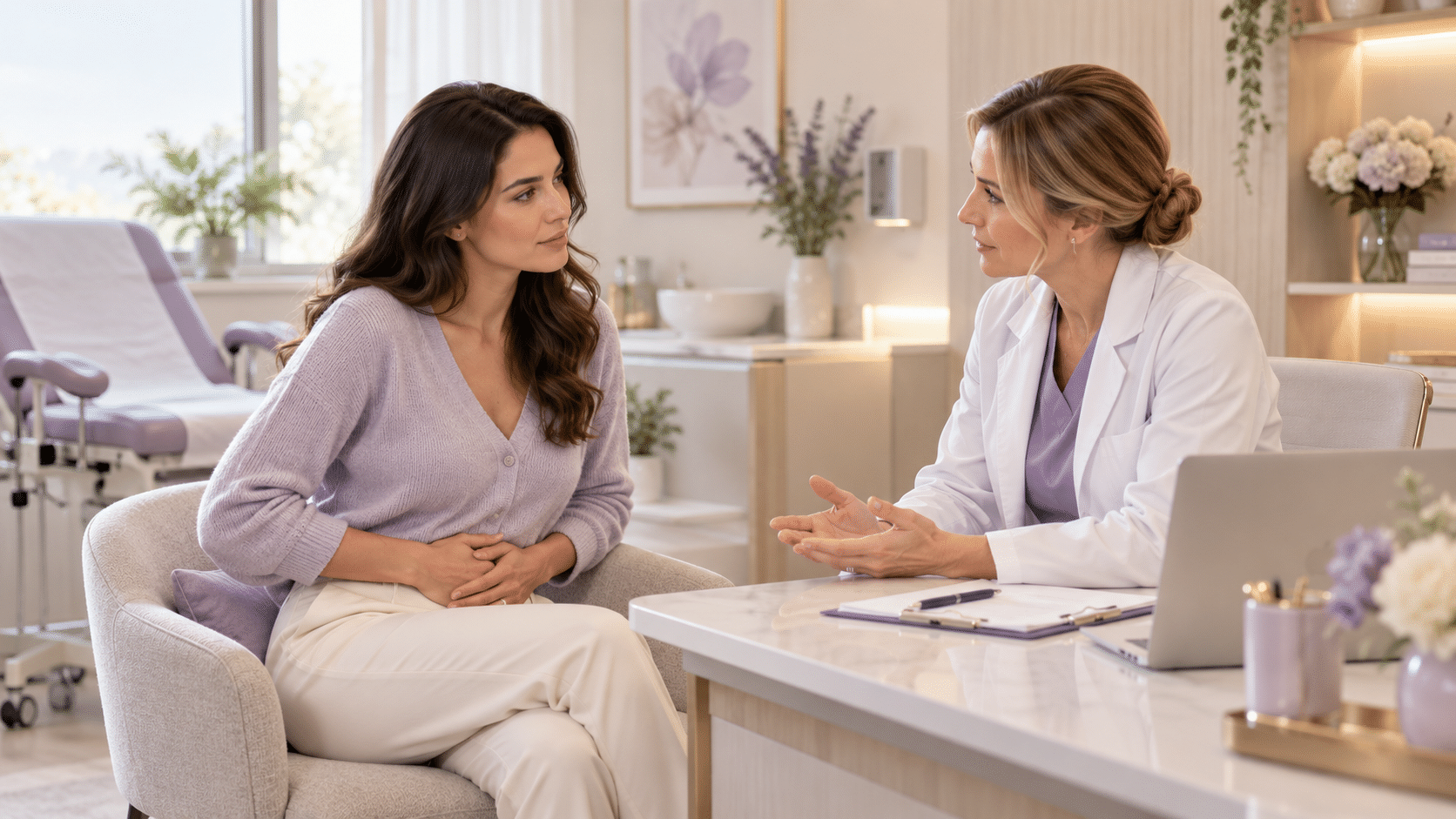
Pelvic pain can affect your work, sleep, exercise, relationships and quality of life. When pain keeps returning or lasts for several months, specialist assessment can help identify the cause and guide the right treatment.
At Gynaeaesthetics London, Consultant Obstetrician and Gynaecologist Mr Mohammad Masood provides private, consultant-led assessment for persistent and unexplained pelvic pain across Essex and East London.
What Is Chronic Pelvic Pain?
Chronic pelvic pain is pain felt in the lower abdomen or pelvis that persists or repeatedly returns over a prolonged period. It can be constant or intermittent, mild or severe, and may occur with or without your menstrual cycle.
Some women experience pain mainly during their periods, while others have pain during sex, exercise, urination or bowel movements. In some cases there may be more than one condition contributing to the symptoms.
If pelvic pain is affecting your daily life, a specialist assessment can help determine whether there is an underlying gynaecological cause.
Different Types of Pelvic Pain
Understanding when pain occurs can provide important clues about what may be causing it.
Cyclical Pelvic Pain
Pain that becomes worse before or during a period. It may be associated with conditions such as endometriosis, adenomyosis or fibroids.
Non-Cyclical Pain
Pain that is not clearly linked to menstruation and may be constant or occur unpredictably throughout the month.
Pain During Sex
Pain during or after intercourse may be associated with endometriosis, vaginismus, ovarian cysts or pelvic floor problems.
Painful Periods
Severe period pain may occur without an underlying condition or may be caused by conditions such as endometriosis, adenomyosis or fibroids.
What Can Cause Pelvic Pain?
Pelvic pain can have many possible causes. A thorough consultation is important because treatment depends on identifying what is contributing to your symptoms.
Endometriosis
Endometriosis occurs when tissue similar to the lining of the womb grows outside the uterus. It may cause severe period pain, pain during sex, persistent pelvic pain and fertility difficulties.
Fibroids
Fibroids are non-cancerous growths in or around the uterus. Depending on their size and location, they may cause pelvic pressure, pain, heavy bleeding or bloating.
Adenomyosis
Adenomyosis occurs when tissue from the womb lining grows into the muscular wall of the uterus and can cause heavy, painful periods and ongoing pelvic discomfort.
Ovarian Cysts
Many ovarian cysts cause no symptoms, but larger or more complex cysts can cause pelvic pain, pressure or discomfort, sometimes mainly on one side.
Pelvic Inflammatory Disease
Pelvic inflammatory disease is an infection of the reproductive organs and may cause pelvic pain, unusual discharge, fever or pain during intercourse.
Pelvic Adhesions
Scar tissue caused by surgery, infection or endometriosis may sometimes contribute to persistent or recurring pelvic pain.
Vaginismus & Pelvic Floor Problems
Involuntary tightening of pelvic floor muscles can make sex, penetration or examinations painful. Specialist treatment may include pelvic floor therapy.
When Should You See a Gynaecologist?
- Pelvic pain keeps returning
- Your pain is becoming more severe
- Your periods are extremely painful
- You experience pain during or after sex
- You have persistent pelvic pressure or bloating
- Your symptoms affect your sleep, work or daily activities
- You are struggling to conceive
- You experience unusual bleeding or vaginal discharge
How Is Pelvic Pain Diagnosed?
There is no single test that explains every case of pelvic pain. Diagnosis begins with a detailed discussion about your symptoms, menstrual cycle, medical history and the circumstances in which your pain occurs.
Your specialist may recommend further investigation depending on your symptoms.
Pelvic Ultrasound
Ultrasound can assess the uterus and ovaries and may identify conditions such as fibroids, ovarian cysts or other pelvic abnormalities.
Blood Tests
Blood tests may be requested to check for infection, inflammation or other conditions where appropriate.
Clinical Examination
A gynaecological examination may help identify areas of tenderness or other abnormalities requiring further assessment.
Diagnostic Laparoscopy
Keyhole surgery allows the pelvic organs to be examined directly and may help identify conditions such as endometriosis or adhesions that are not always visible on scans.
How Is Pelvic Pain Treated?
Treatment is tailored to the underlying cause, the severity of your symptoms and your individual circumstances.
Pain Management
Appropriate pain relief and anti-inflammatory treatment may help manage symptoms while the underlying cause is being investigated or treated.
Hormonal Treatment
Hormonal treatment may help when pelvic pain is related to the menstrual cycle, endometriosis or adenomyosis.
Pelvic Floor Therapy
Specialist pelvic floor physiotherapy may be useful where muscle tension, pelvic floor dysfunction or vaginismus contributes to pain.
Keyhole Surgery
Minimally invasive surgery may be considered for selected conditions such as endometriosis, adhesions or ovarian cysts when clinically appropriate.

Private Pelvic Pain Care at Gynaeaesthetics London
Mr Mohammad Masood provides consultant-led diagnosis and treatment for chronic pelvic pain and related gynaecological conditions.
Frequently Asked Questions
Can pelvic pain be treated without surgery?
Yes. Depending on the cause, treatment may include medication, hormonal treatment, pain management or pelvic floor therapy. Surgery is only recommended where clinically appropriate.
Could my pelvic pain be endometriosis?
Endometriosis is one recognised cause of chronic pelvic pain, particularly when pain becomes worse around menstruation. Specialist assessment can help determine whether further investigation is needed.
Can fibroids cause pelvic pain?
Yes. Fibroids can sometimes cause pelvic pressure, discomfort, bloating or pain, depending on their size and location.
Can ovarian cysts cause pelvic pain?
Yes. Some ovarian cysts can cause pelvic pain or pressure, particularly if they are large, complex or affect one side of the pelvis.
Should I get recurring pelvic pain checked?
Persistent or recurring pelvic pain should be discussed with a healthcare professional, especially if it affects your normal activities or is accompanied by other symptoms.
Get Clear Answers About Your Pelvic Pain
If pelvic pain is affecting your daily life, book a private specialist consultation to discuss your symptoms, possible causes and treatment options.