

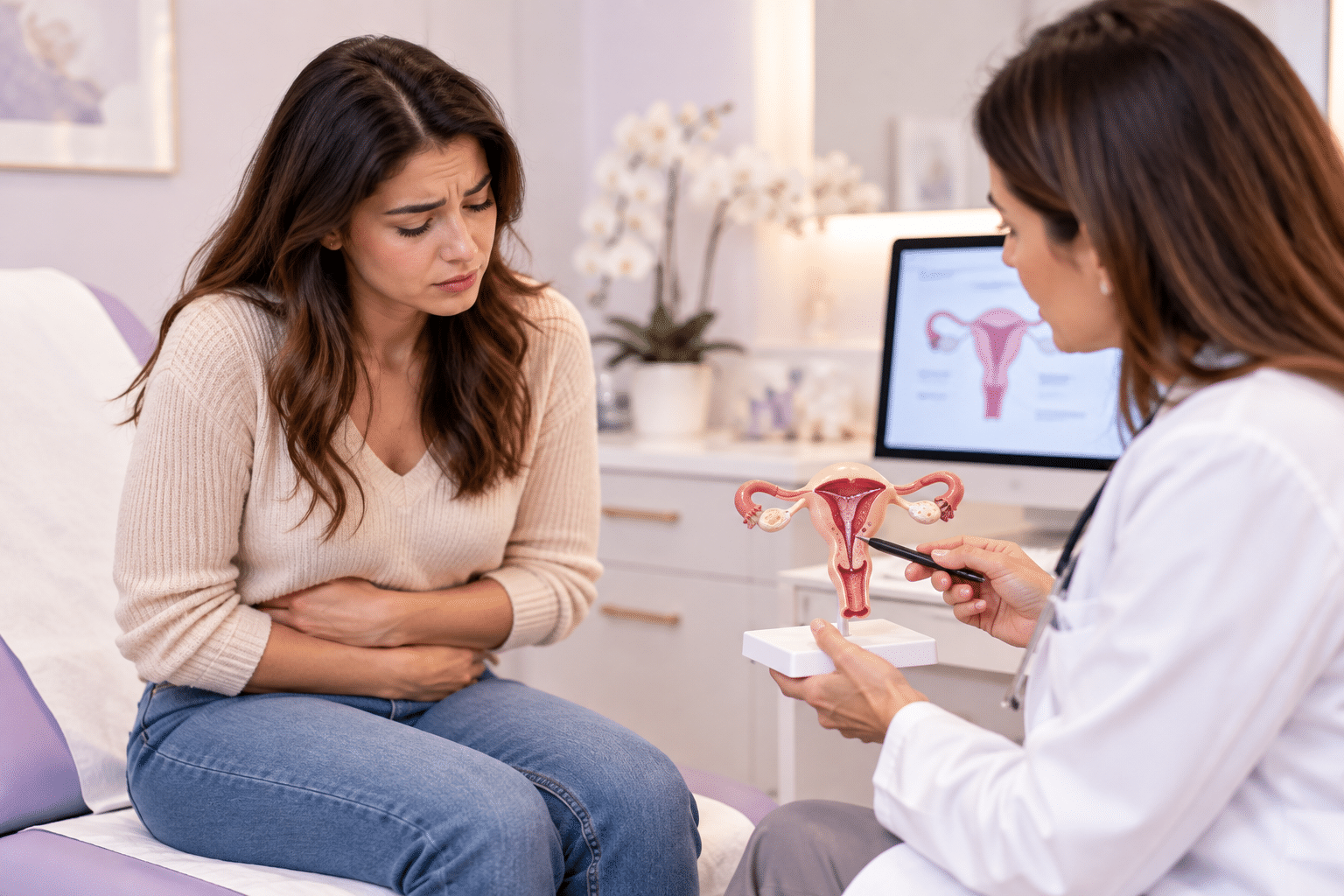
Heavy Periods: When Should You See a Specialist?
Heavy periods can affect your energy, sleep, work and daily routine. If bleeding is becoming difficult to manage, a specialist assessment can help identify the cause and explain the treatment options available to you.
At Gynaeaesthetics London, Consultant Obstetrician and Gynaecologist Mr Mohammad Masood provides private, consultant-led care for women experiencing heavy or painful periods across Essex and East London.

What Are Heavy Periods?
Heavy menstrual bleeding means your period is heavy enough to affect your health or daily life. You may need to change pads or tampons very frequently, your period may last longer than expected, or you may experience significant tiredness because of blood loss.
Doctors do not look only at the amount of bleeding. They also consider how your periods affect your work, sleep, exercise and normal daily activities.
Signs Your Period May Be Too Heavy
Heavy menstrual bleeding can present in different ways. These are some of the signs that should prompt you to seek medical advice.
Frequent Changes
- Changing pads or tampons every 1–2 hours
- Using two period products at the same time
- Bleeding through clothing or bedding
Long or Heavy Bleeding
- Bleeding for more than seven days
- Passing large blood clots
- Very heavy flow during several days of your period
Effects on Daily Life
- Feeling tired or weak
- Shortness of breath
- Avoiding work, exercise or social activities

What Can Cause Heavy Periods?
Heavy periods can have several possible causes. Sometimes more than one factor may be involved, and in some women no single cause is identified.
Uterine Fibroids
Fibroids are non-cancerous growths that develop in or around the womb. Some fibroids cause no symptoms, while others can cause heavy or prolonged bleeding, pelvic pressure and discomfort.
Changes in Ovulation
Changes in the menstrual cycle can affect the lining of the womb and may contribute to heavier or irregular bleeding.
Endometriosis & Adenomyosis
Endometriosis is commonly associated with pelvic pain and painful periods. Adenomyosis can also cause heavy, painful periods when tissue from the womb lining grows into the muscular wall of the uterus.
Other Causes
PCOS, some medicines, bleeding disorders and other gynaecological conditions may also contribute to abnormal or heavy bleeding.
Can Heavy Periods Cause Anaemia?
Yes. Ongoing blood loss can contribute to iron deficiency and anaemia. Symptoms may include tiredness, weakness, dizziness, reduced concentration and shortness of breath.
A full blood count is commonly used to check whether heavy menstrual bleeding has affected your blood count.
How Are Heavy Periods Diagnosed?
Your doctor will first ask about your periods, symptoms, medical history, medicines and how the bleeding affects your everyday life.
Depending on your symptoms, further investigation may include blood tests, examination, pelvic ultrasound or hysteroscopy.
Blood Tests
A full blood count can help identify anaemia. Other tests may be requested if your symptoms suggest another medical condition.
Pelvic Ultrasound
Ultrasound can help assess the womb and ovaries and may identify fibroids, adenomyosis or other structural causes of bleeding.
Hysteroscopy
A thin camera is used to look inside the womb when a polyp, fibroid or another abnormality within the uterine cavity is suspected.

What Treatments Can Help With Heavy Periods?
Treatment depends on the underlying cause, the severity of your symptoms, your medical history and whether you are planning a future pregnancy.
Medicines
Medicines such as tranexamic acid may be prescribed to reduce menstrual blood loss. Some anti-inflammatory medicines may also help with bleeding and period pain.
Hormonal Treatment
Hormonal contraception or progestogen treatment may help regulate bleeding and reduce the amount of menstrual blood loss.
Hormonal Coil
A hormonal intrauterine system such as the Mirena coil can be an effective option for some women with heavy menstrual bleeding.
Surgical Treatment
Surgery may be considered when other treatments have not helped or when a condition such as fibroids requires further treatment.
When Is Surgery Considered?
Surgery is not required for every woman with heavy periods. Many women respond well to medical or hormonal treatments. :chatgpt-content-reference{index="1"}
Where surgery is appropriate, options may include treatment for fibroids, endometrial ablation or hysterectomy. Your consultant should discuss the benefits, risks and any effect on future fertility before treatment.
When Should You See a Gynaecologist?
- Your periods are affecting your work, sleep or daily routine
- Your bleeding lasts longer than seven days
- Your periods suddenly become much heavier
- You experience severe pelvic or period pain
- You have bleeding between periods
- You experience bleeding after sex
- You frequently feel tired, dizzy or short of breath

Private Heavy Periods Care at Gynaeaesthetics London
Mr Mohammad Masood provides specialist assessment and treatment for heavy periods and other menstrual concerns. His GMC registration number is 5201164.
What Happens at Your First Consultation?
Your consultation gives you time to explain your symptoms, how long your periods last, how heavy they are and how they affect your daily life.
You can also discuss pain, irregular bleeding, previous treatment and any fertility concerns. Where appropriate, Mr Masood can recommend examination, blood testing, ultrasound, hysteroscopy or treatment.
Frequently Asked Questions
How long is too long for a heavy period?
A period lasting more than seven days may be a sign of heavy menstrual bleeding, particularly when it affects your daily life.
Are large blood clots a sign of heavy periods?
Passing large clots can occur with heavy menstrual bleeding and is worth discussing with your doctor.
Can heavy periods cause iron deficiency?
Yes. Repeated blood loss can contribute to iron deficiency and anaemia.
Do fibroids always cause heavy periods?
No. Some fibroids cause no symptoms at all, while others may cause heavy or prolonged periods.
Do heavy periods always need surgery?
No. Many women can be treated successfully with medication or hormonal treatment. Surgery is considered only when clinically appropriate.
Get Clear Answers About Your Heavy Periods
If heavy periods are affecting your quality of life, book a private consultation to discuss the cause of your symptoms and the treatment options available.