

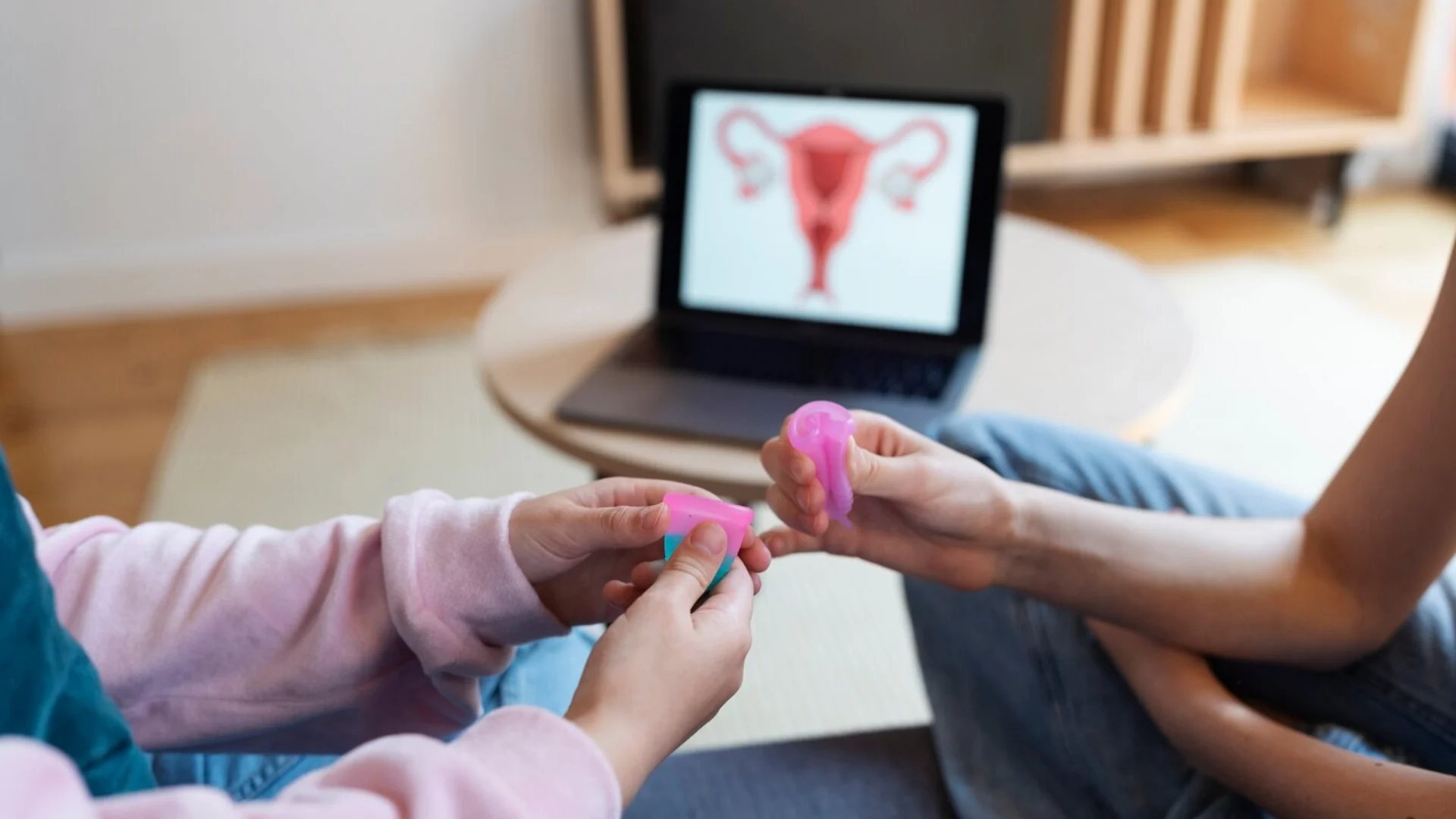
Vaginismus Treatment in London and Essex
Vaginismus treatment focuses on retraining the involuntary muscle response that makes penetration painful or impossible, using a combination of pelvic floor physiotherapy, Botox where appropriate, and psychological support where needed. If sex is painful, penetration feels impossible, or smear tests leave you dreading your next appointment, you’re not alone, and you don’t have to keep suffering in silence. Mr Mohammad Masood offers specialist vaginismus treatment at Gyneaesthetics London, with clinics across London and Essex, fast appointments, and a genuinely compassionate, non-judgmental approach from start to finish. If you would like to understand the condition better first, our guide explains vaginismus, its symptoms and its causes in plain language.
What Is Vaginismus?
Vaginismus is an involuntary tightening of the vaginal muscles that makes penetration painful, difficult, or sometimes impossible. It can affect women of all ages and backgrounds, and it can happen during sex, gynaecological exams, or even when using a tampon.
Vaginismus is not a choice. It’s not a reflection of your desire or attraction to your partner. It’s a genuine medical condition, and one that’s highly treatable with the right specialist care.
The NHS also explains vaginismus and the treatment options available.
Types of Vaginismus
There are two recognised types of vaginismus, and knowing which one applies to you helps shape the right treatment plan.
Primary Vaginismus
This is when penetration has never been possible, including with tampons, smear tests, or sex from the outset.
Secondary Vaginismus
This develops later in life, after a period of normal sexual function. It can be triggered by childbirth, surgery, menopause, infection, or a difficult experience.
What Are the Symptoms of Vaginismus?
Vaginismus symptoms are well recognised, and identifying them is the first step toward effective treatment. You may have vaginismus if you experience:
- Pain, burning, or stinging during or after sex
- Difficulty achieving penetration
- Discomfort during smear tests or internal examinations
- Pain when using tampons
- A tight, wall-like feeling that blocks penetration
- Anxiety around sexual activity or gynaecological appointments
Recognising even one or two of these signs is a good reason to book a consultation, since pelvic floor physiotherapy and other treatments work best when started early.
What Causes Vaginismus?
Vaginismus usually develops from a mix of physical and emotional factors, and understanding which ones apply to you helps Mr Masood build the right plan from day one. Common causes include:
- Past sexual trauma
- Anxiety around sex or penetration
- Hormonal changes around menopause
- A history of painful gynaecological procedures
- Childbirth-related injury
- Relationship stress
- Infections such as thrush or bacterial vaginosis
Whatever the cause, treatment at Gyneaesthetics London is built around your specific history, not a one-size-fits-all approach.
How Is Vaginismus Diagnosed?
Vaginismus is usually diagnosed from your history and symptoms, often at your first consultation. Mr Masood will talk through your symptoms, how long they have been present, and anything that may have triggered them, such as a difficult smear test, childbirth, or the menopause. A physical examination is only carried out if it is needed, and only with your full consent — and it can be stopped at any time. If an examination is not possible or not comfortable, that is completely understood, and it does not prevent a diagnosis or a treatment plan being made.
Painful sex can have other causes, so part of the assessment is ruling these out. Pelvic pain, endometriosis and vulvodynia can all make penetration painful, and each needs a different approach. If another cause is suspected, Mr Masood will explain what further assessment or care may help.
What Happens at Your First Consultation?
Your first consultation is a private, unhurried conversation with Mr Mohammad Masood (GMC 5201164), Consultant Obstetrician and Gynaecologist. You will be listened to without judgement, and you will not be asked to do anything you are not comfortable with. The consultation usually covers your symptoms and history, any previous examinations or treatment, and what matters most to you — for example, being able to have a smear test, use tampons, or enjoy sex without pain. Together, you will agree a personalised treatment plan, which may include pelvic floor therapy, dilators, Botox, hormonal treatment or psychosexual support, and you will have time to ask questions.
A first consultation costs £200 and a follow-up consultation costs £160. You can see the full list of fees on our pricing page, and you can book a consultation online at a clinic that suits you — Brentwood, East London, Ilford & Woodford, or Romford & Hornchurch. Our guide explains what to expect at a private gynaecology consultation in more detail.
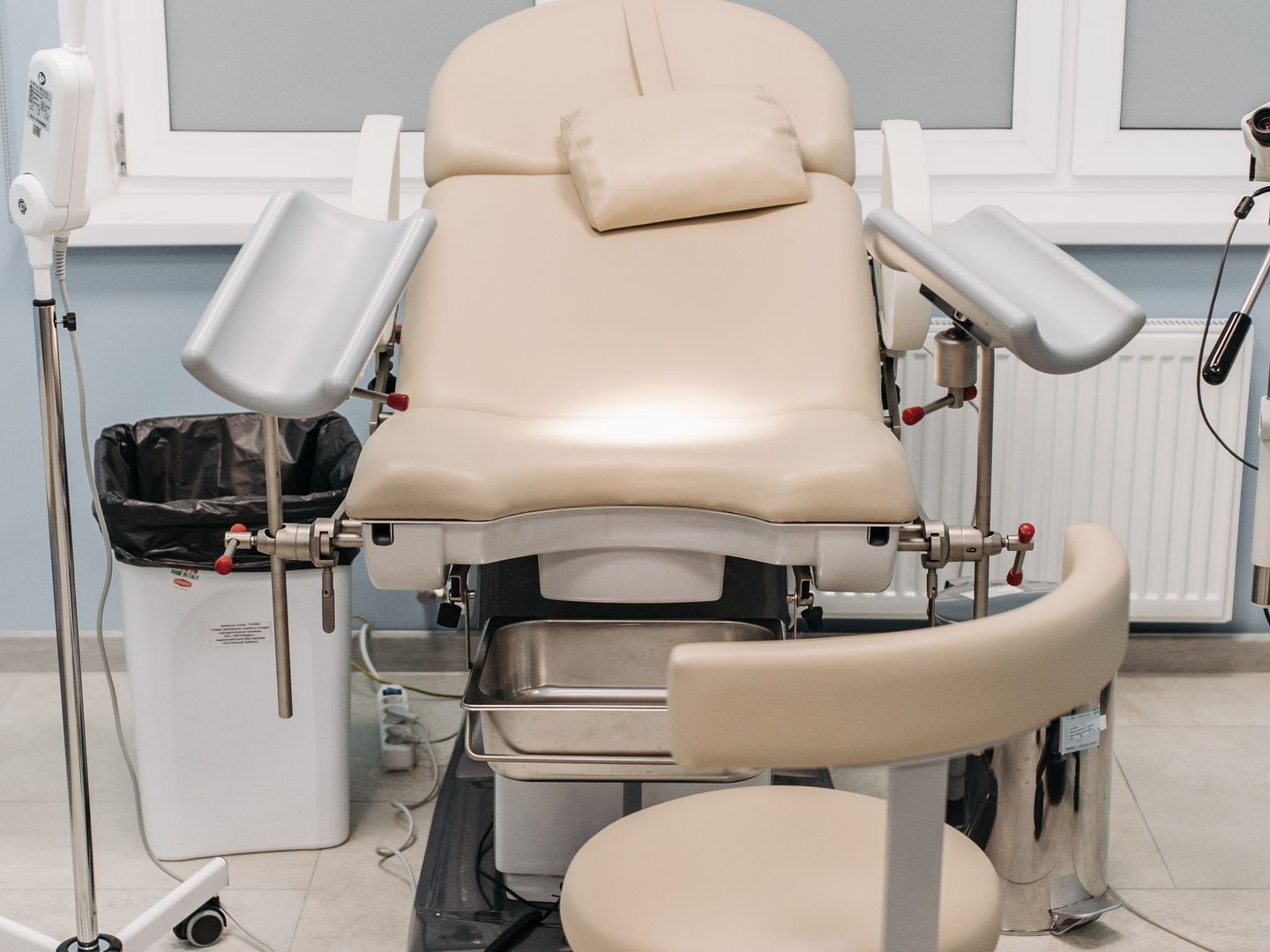
Vaginismus Treatment Options
Treatment at Gyneaesthetics London combines several evidence-based approaches, tailored to your individual needs.
Pelvic Floor Therapy
This is usually the first treatment recommended. Working with a specialist pelvic floor physiotherapist helps you gain awareness and control over the muscles involved in vaginismus. This includes relaxation techniques, targeted exercises, and the gradual use of vaginal dilators to retrain the muscles over time, at a pace that feels right for you.
Vaginal dilators are smooth, graduated trainers in increasing sizes, used at home at your own pace. You start with the smallest size that feels comfortable and move up only when you are ready, usually alongside the breathing and relaxation techniques you learn in pelvic floor therapy. Our guide explains how dilators fit into treatment and what to expect when using them.
Botox Injections
For more severe muscle tightening, or where physiotherapy alone hasn’t been enough, Botox injections can help. Administered by Mr Masood in a clinical setting, Botox temporarily relaxes the involuntary vaginal muscle spasm, allowing penetration to become possible and pain-free for many women. It’s minimally invasive, with minimal downtime, and is usually combined with continued dilator use afterwards.
Hormonal Treatments
Where vaginismus is linked to hormonal changes, such as menopause or low oestrogen, treatments like topical oestrogen or HRT may help reduce dryness, discomfort, and muscle tension.
Psychosexual Support
For cases with a strong emotional component, psychosexual counselling or cognitive behavioural therapy alongside physical treatment can help. Addressing the emotional side of vaginismus matters just as much as the physical symptoms, and it often makes the biggest difference long-term.
Combined Approach
For many women, the best results come from combining several of these treatments, built around their specific history. Mr Masood creates a personalised plan that addresses every part of your condition
How Long Does Vaginismus Treatment Take?
Treatment timelines vary from person to person, depending on the type of vaginismus, how long it’s been present, and which combination of treatments works best for you. Some women notice real progress within a few weeks of starting pelvic floor therapy and dilator use. Others, particularly those with long-standing primary vaginismus, benefit from a longer combined approach over several months. Consistency between appointments, especially with dilator use at home, tends to support steadier progress. If you have questions about costs, appointments or what happens at a consultation, our frequently asked questions have the answers.
Can Vaginismus Come Back After Treatment?
Vaginismus rarely returns once a full course of treatment is complete, though it can occasionally resurface after a new triggering event, such as childbirth or a stressful period. Staying consistent with dilator use as advised, even after symptoms improve, helps maintain your progress and reduces the chance of symptoms returning.
Does a Partner Play a Role in Treatment?
Whether a partner is involved is entirely your choice. Many women find it helpful and reassuring to include a partner in parts of the process, particularly around dilator use and easing anxiety about intimacy together. Vaginismus is a medical condition, and treatment supports both partners through it, with no blame attached to either side.
When to Seek Help
You do not need to wait until symptoms feel severe, and you do not need a GP referral. If painful sex, difficulty with penetration, or anxiety around smear tests or tampons is affecting your confidence, your relationship or your daily life, it is worth speaking to a specialist. The sooner treatment starts, the sooner you can start to feel more comfortable and in control.
You can contact the clinic on +44 78 2597 0530 or by email at fscott@masgynaecology.com, or book a consultation online. Our women’s health services cover a wide range of gynaecological concerns, so if you are unsure whether your symptoms are related to vaginismus, you can still get the right advice.
Why Choose Gyneaesthetics London?
Mr Mohammad Masood is a GMC-registered Consultant Obstetrician and Gynaecologist, GMC number 5201164, with direct clinical experience treating vaginismus and other pelvic floor conditions. Every consultation is led with genuine care, discretion, and a sensitive, non-judgmental approach throughout.
- Consultant-led care by Mr Mohammad Masood
- Sensitive, non-judgmental approach throughout
- No GP referral needed
- Same-week appointments available
- Clinics across London and Essex, including Hornchurch, Brentwood, and Ilford
- Fully confidential from start to finish
- Treatments from £200
Frequently Asked Questions
Yes, most women achieve comfortable, pain-free sex with the right treatment.
No, it’s minimally invasive and well tolerated by most patients
This varies, but many women see real improvement within just a few sessions.
That’s entirely your choice, and treatment works well either way
Yes, this is a common trigger for secondary vaginismus and responds well to treatment.
Our Services
Book Your Consultation Today
Medically reviewed by Mr Mohammad Masood. Last reviewed: 13 November 2026.