Our Working Time: 09:00 am To 06:00 pm
Our Working Time: 09:00 am To 06:00 pm
Heavy periods can affect your energy, sleep, work, and daily plans. You may need to change period products often. You may wake at night because of bleeding. You may also feel tired after your period. If this sounds familiar, you do not have to ignore it.
Heavy bleeding can happen for many reasons. Fibroids, adenomyosis, endometriosis, changes in ovulation, and some medicines can all play a part. Sometimes there is no clear cause.
At Gynaeaesthetics London, Consultant Obstetrician and Gynaecologist Mr Mohammad Masood offers private care for women with heavy periods across Essex and East London. A specialist review can help find the cause and guide your treatment.
Heavy menstrual bleeding means your period is heavy enough to affect your health or daily life. You may need to change pads or tampons every 1 to 2 hours. Your period may last more than 7 days. You may also pass large blood clots or feel tired because of blood loss.
Doctors do not look only at the amount of menstrual bleeding. They also ask how it affects your work, sleep, exercise, and normal routine. NICE recommends focusing on quality of life when assessing heavy periods.
You may have heavy periods if you:
These are common signs listed by the NHS.
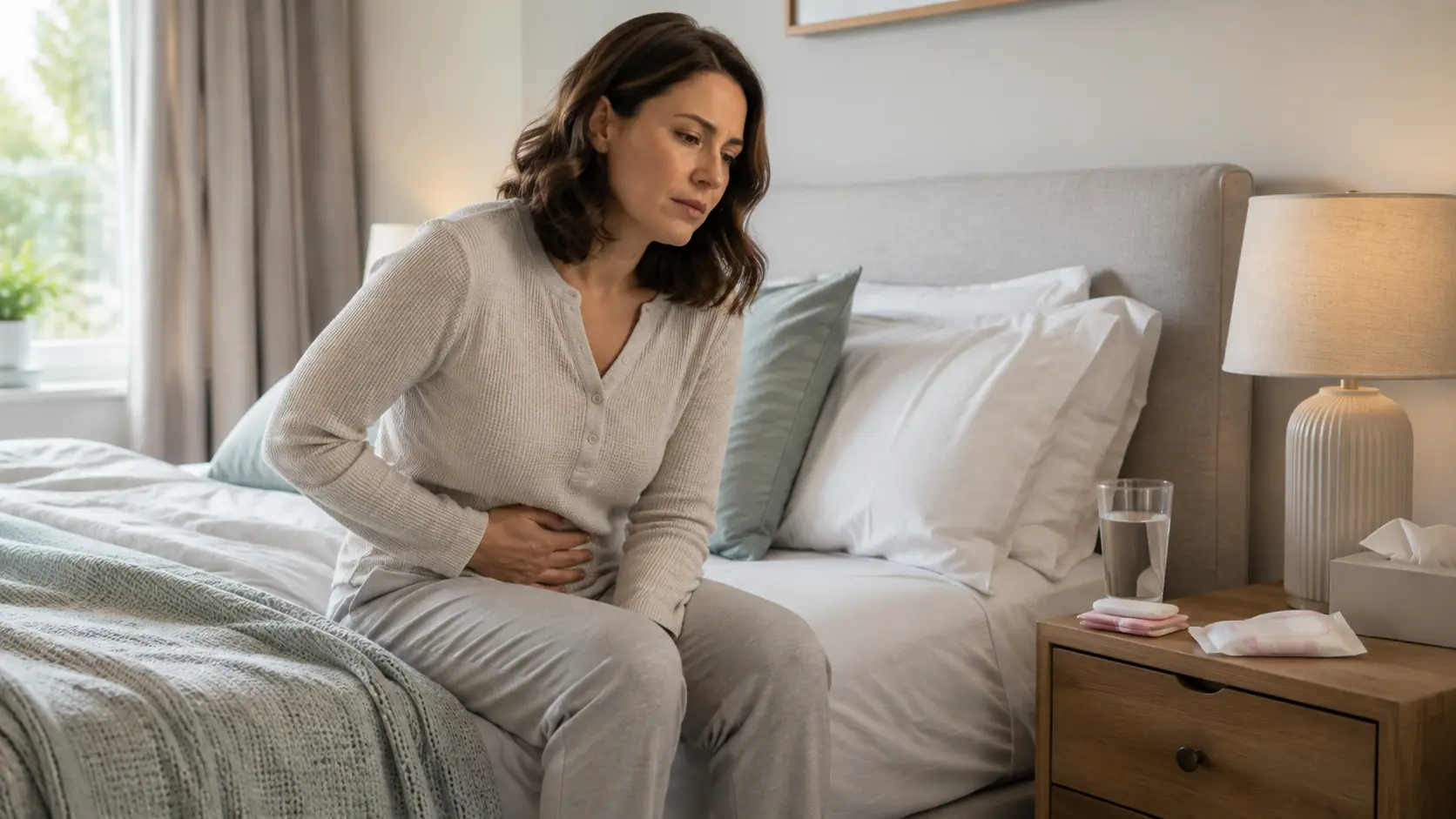
Heavy periods can have several causes. These include uterine fibroids, adenomyosis, PCOS, endometriosis, some medicines, and bleeding disorders. Changes in the menstrual cycle may also affect how much you bleed. Sometimes doctors do not find a clear cause.
Uterine fibroids are growths that develop in or around the womb. They are not cancer.
Some fibroids cause no symptoms. Others can cause heavy bleeding, longer periods, pain, or pressure.
Periods may become heavier or more irregular when ovulation changes.
People sometimes call this a hormonal imbalance. However, that term can mean many things. NICE does not recommend routine female hormone tests for heavy menstrual bleeding.
Endometriosis is often linked with pelvic pain and painful periods. Some women also have heavy bleeding.
Adenomyosis can also cause heavy and painful periods. NICE recommends considering these conditions when heavy bleeding happens with significant period pain.
Yes. Ongoing blood loss can lead to anaemia. It may also cause iron deficiency.
Anaemia can make you feel tired, weak, dizzy, or short of breath. NICE recommends a full blood count for women with heavy menstrual bleeding. Routine ferritin testing is not needed for everyone.
Tell your doctor if you often feel tired during or after your period.
Your doctor will first ask about your periods, symptoms, health, and medicines. They may also ask how the bleeding affects your daily life.
Depending on your symptoms, you may need a blood test, examination, ultrasound, or hysteroscopy. Not every woman needs the same tests.
Doctors may use the term abnormal uterine bleeding when the amount, timing, or pattern of bleeding is unusual.
A full blood count can check for anaemia.
Routine female hormone tests are not recommended for heavy periods. Thyroid tests are usually only needed when you have other signs of thyroid disease.
A pelvic ultrasound may help find fibroids or other changes in the womb.
It may also help when adenomyosis is suspected. Your doctor will decide if an ultrasound is the right test for you.
A hysteroscopy uses a thin camera to look inside the womb.
Your doctor may suggest it if they suspect a polyp or fibroid inside the womb. It may also help when there is bleeding between periods.
Treatment depends on the cause of your bleeding and how much it affects you. Your health and pregnancy plans also matter.
Options may include medicines, hormonal treatment, a hormonal coil, or surgery.
Tranexamic acid can help reduce blood loss during a period.
Some anti inflammatory medicines may also help with bleeding and period pain. Your doctor can explain which option is safe for you.
Hormonal treatment can help some women with heavy periods.
Options may include a hormonal coil, combined hormonal contraception, or progestogen treatment. NICE recommends a hormonal intrauterine system as a first option for some women.
Surgery may be an option if other treatments do not help. It may also be needed when fibroids or another condition cause the bleeding.
Options can include fibroid treatment, endometrial ablation, or hysterectomy. Your doctor should explain the benefits and risks first. They should also discuss any effect on future pregnancy.
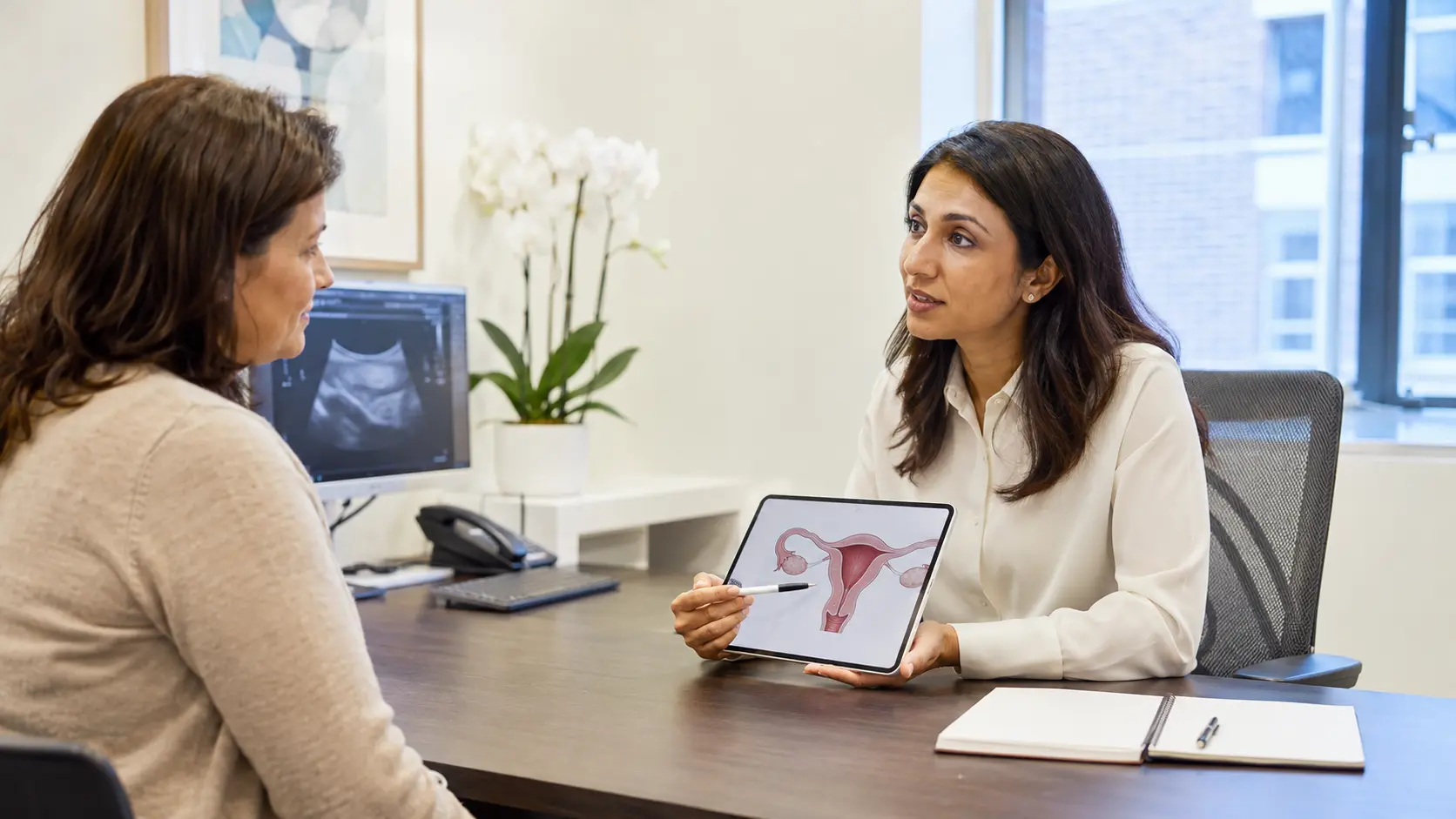
See a gynaecologist if heavy periods are affecting your daily life. You should also get advice if your bleeding lasts more than 7 days or becomes much heavier.
You should speak with a doctor if you have severe pain. Bleeding between periods or after sex also needs medical advice.
Feeling tired or short of breath may mean heavy blood loss has affected your blood count.
You do not need to wait until excessive bleeding becomes hard to cope with.
Gynaeaesthetics London offers private care for heavy periods and other menstrual concerns.
Mr Mohammad Masood leads the consultations. He is a Consultant Obstetrician and Gynaecologist. His GMC registration number is 5201164. His clinic profile also lists heavy periods among the conditions he treats.
The clinic lists locations in Hornchurch, Brentwood, and Ilford.
Appointments are often available within the same week. A GP referral is not required. Initial consultations start from £200.
Your appointment gives you time to explain your symptoms.
You can talk about how heavy your periods are and how long they last. You can also discuss pain, irregular periods, past treatment, and fertility concerns.
Mr Masood can then explain the next step. This may include an examination, blood test, ultrasound, hysteroscopy, or treatment.
Bring any recent scan reports or blood test results if you have them. A list of your medicines can also help.
A period lasting more than 7 days can be a sign of heavy menstrual bleeding.
Yes. Clots larger than about 2.5 cm can be a sign of heavy bleeding.
Yes. Repeated blood loss can contribute to iron deficiency and anaemia.
No. Some fibroids cause no symptoms. Others can cause heavy or prolonged bleeding.
No. Medicines and hormonal treatments can help many women. Surgery is only considered when it is suitable.
Heavy periods can make daily life harder. A specialist assessment can help find the cause and explain your treatment options.
Gynaeaesthetics London offers private consultant led care across Essex and East London. You can contact the clinic to arrange an appointment with Mr Mohammad Masood.
WhatsApp us