

Expert Private Diagnosis & Treatment for Endometriosis
What Is Endometriosis?
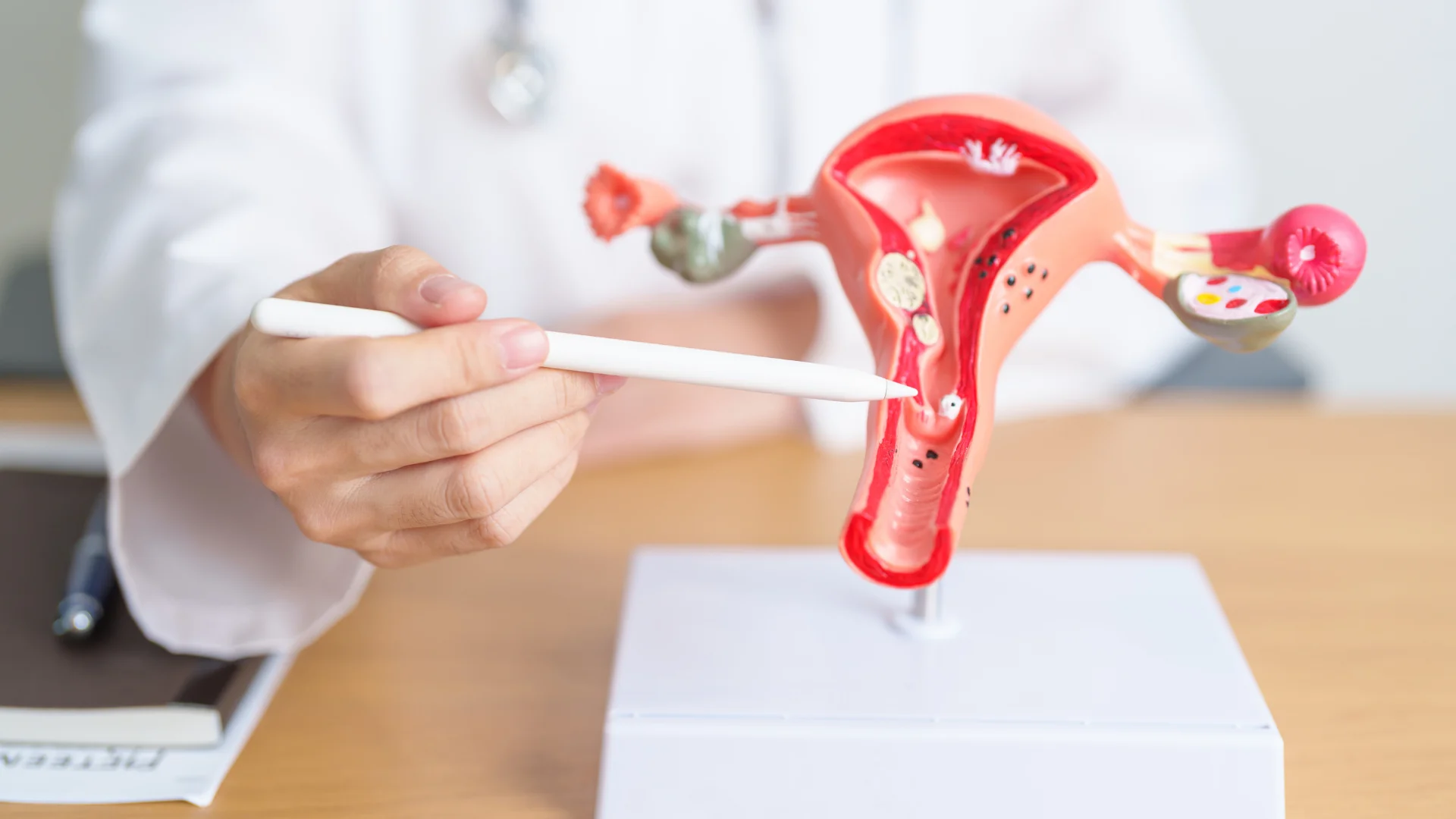
Endometriosis is a condition where tissue similar to the lining of the womb grows in other parts of the body. It is usually found in the pelvis. It can affect the Ovaries, the area around the womb, the fallopian tubes, the bowel, or the bladder.
The exact cause of endometriosis is not known. Experts believe several factors may be involved. Family history can also matter because the condition is more common in people whose mother or sister has endometriosis.
Endometriosis is a long term condition. Some people have mild symptoms, while others have pain that affects work, sleep, relationships, or daily life. The amount of endometriosis found in the body does not always match how much pain someone feels. NICE recommends choosing treatment based on symptoms, personal needs, and priorities rather than the stage alone.
Where Can Endometriosis Grow?
Endometriosis is most often found inside the pelvis. It may grow on the ovaries, around the womb, on the fallopian tubes, or near the bowel and bladder.
In less common cases, it can also appear in other parts of the body.
What Are the Symptoms of Endometriosis?
Common Endometriosis Symptoms include painful periods, Pelvic Pain, pain during or after sex, pain when using the toilet during a period, and difficulty getting pregnant. Some people also feel very tired. Symptoms can be different for each person.
Pain from endometriosis may happen mainly during a period or continue at other times during the month.
It may become serious enough to affect school, work, exercise, sleep, or normal daily activities.
What Is Chronic Pelvic Pain?
Chronic Pelvic Pain means pain in the lower part of the abdomen or pelvis that lasts for six months or longer.
Endometriosis can be one cause of this pain, but there are many other possible causes. Ongoing pelvic pain should therefore be assessed by a healthcare professional rather than assumed to be endometriosis.
Can Endometriosis Cause Bowel or Bladder Problems?
Yes. Some people with endometriosis have pain when opening their bowels or passing urine, especially during their period.
Endometriosis can sometimes affect areas close to the bowel or bladder.
Can Endometriosis Cause Pain During Sex?
Yes. Deep pain during or after sex is one of the symptoms linked with endometriosis.
However, pain during sex can have other causes. If it happens often or affects your quality of life, it is worth discussing with a doctor.
How Is Endometriosis Diagnosed?
Endometriosis Diagnosis usually starts with a discussion about your symptoms and medical history. Your doctor may also suggest an examination and an ultrasound scan. MRI or Laparoscopy may be considered in some cases if more information is needed.
There is no simple blood test that can reliably confirm or rule out endometriosis. A doctor usually looks at your symptoms, scan results, medical history, and other findings together.
What Happens During an Endometriosis Consultation?
Your doctor will usually ask when your pain happens, how severe it is, how your periods affect you, and whether you have bowel or bladder symptoms.
You may also be asked about previous treatments, scans, surgery, family history, and any concerns about getting pregnant.
An examination may be offered when appropriate and with your consent..
Can an Ultrasound Detect Endometriosis?
A Transvaginal Ultrasound can help doctors find ovarian cysts caused by endometriosis and some forms of deeper disease. It can also help identify other conditions that may be causing similar symptoms. A normal scan does not always mean endometriosis is absent.
NICE recommends offering a transvaginal ultrasound when endometriosis is suspected.
What Is a Transvaginal Ultrasound?
A transvaginal ultrasound is an internal scan used to look closely at the womb, ovaries, and nearby areas.
A small ultrasound probe is gently placed inside the vagina to create images of the pelvic organs.
If this type of scan is not suitable or you do not want it, a Pelvic Ultrasound through the abdomen may be considered instead.
Can You Have Endometriosis With a Normal Ultrasound?
Yes. A normal ultrasound does not completely rule out endometriosis.
Some areas of endometriosis are difficult to see on a scan. NICE says doctors should still consider the condition when symptoms suggest endometriosis even if an examination or ultrasound is normal
When Is an MRI Scan Needed?
MRI may be useful when deeper endometriosis is suspected
. It can help doctors see whether areas near the bowel, bladder, or the tubes that carry urine from the kidneys may be affected. Specialist scans should be planned and reviewed by healthcare professionals with experience in this type of imagin g..
Is Laparoscopy Always Needed for Endometriosis?
No. Not everyone with suspected endometriosis needs surgery. Symptoms, examination, ultrasound, and MRI can all help doctors decide what should happen next. Laparoscopy may still be considered when endometriosis is suspected, including when scans look normal.
Laparoscopy is also known as keyhole surgery.
A surgeon makes small openings in the abdomen and uses a small camera to look inside the pelvis.
If treatment has already been discussed and you have agreed to it, some endometriosis may sometimes be treated during the same procedure
What Are Endometriomas?
Endometriomas are cysts that form in the ovaries because of endometriosis. They are sometimes called endometriotic cysts or chocolate cysts. They may be found during an ultrasound and can affect decisions about pain treatment, surgery, and fertility.
Not every endometrioma needs surgery.
The best option depends on its size, your symptoms, your age, your plans for pregnancy, and how treatment may affect the healthy part of the ovary.
Do Endometriomas Always Need Surgery?
No. Surgery is not automatically needed for every endometrioma.
When surgery is considered, doctors should think about the possible benefits as well as how the operation may affect the number of eggs left in the ovaries. This is especially important for people who want to become pregnant in the future
What Treatments Are Available for Endometriosis?
Endometriosis Treatment may include pain relief, hormone treatment, or surgery. The best option depends on your symptoms, overall health, previous treatment, and plans for pregnancy.
Pain Relief
Pain medicine may help control endometriosis related pain and improve daily comfort.
Hormone Treatment
Hormone treatment can reduce pain and period related symptoms. Options may include the combined contraceptive pill or progestogen based medicines.
When Is Surgery Used for Endometriosis?
Surgery may be considered when symptoms continue, an Endometrioma is present, or deeper endometriosis is suspected. When suitable, surgery is usually performed through Laparoscopy, also known as keyhole surgery. .
Endometriosis Excision
Endometriosis Excision is the surgical removal of visible endometriosis. This type of Surgical Excision is usually performed through laparoscopy. Excision removes endometriosis, while ablation destroys selected areas using energy. Your doctor will discuss which option may be suitable for you.
Can Endometriosis Affect Fertility?
Endometriosis can be linked with Infertility, but many people with the condition can still become pregnant naturally.
Fertility may be affected by Endometriomas, scar tissue, fallopian tube problems, age, and other health factors.
When Should You See an Endometriosis Specialist?
An Endometriosis Specialist may help if symptoms keep returning, affect daily life, or do not improve with treatment. Specialist advice may also be useful if you have an endometrioma, suspected deep endometriosis, ongoing pelvic pain, or fertility concerns .
What Does Specialist Endometriosis Care Include?
Endometriosis Care may include scans, pain relief, hormone treatment, fertility advice, and surgery when needed.
Your care plan should be based on your symptoms, test results, health, and personal goals.
Why Choose Gynaeaesthetics London?
Gynaeaesthetics London provides private gynaecology care led by Consultant Obstetrician and Gynaecologist Mr Mohammad Masood. His published profile lists endometriosis and laparoscopic surgery among his clinical areas of experience.
His GMC registration number is 5201164. The clinic serves patients across Hornchurch, Brentwood, Ilford, Essex, and East London. Same week appointments may be available, and patients can book without a GP referral.
What Happens at Your First Consultation?
Your first appointment gives you time to discuss your symptoms, previous scans, treatments, and fertility concerns.
Your doctor can then explain whether you may need an examination, scan, further tests, or treatment
Bringing previous scan reports, test results, and a list of medicines can make the consultation more useful.
Frequently Asked Questions
No. Endometriosis can still be present even when an ultrasound looks normal.
No. Doctors may use symptoms, examination, ultrasound, or MRI before considering laparoscopy.
No. Treatment may include pain relief, hormone treatment, or surgery depending on your needs.
Yes. Endometriosis or its symptoms can return after surgery.
Endometriosis is not cancer and does not increase the risk of most types of cancer. In very rare cases, a small increased risk of certain ovarian cancers has been identified in women with severe endometriosis — which is another reason why regular monitoring and specialist management are important.